
Helpful Tools for Research Peptide Questions
Research peptides come with measurements, testing results, and terminology that may be unfamiliar at first. This collection of tools and resources makes those details easier to work through, whether you’re reviewing a COA, calculating concentrations, or learning how common testing methods work.Choose a resource below to get started.

How to Mix Research Peptides
Reconstituting a research peptide involves more than simply adding liquid to a vial. Learn how to confirm the vial amount, calculate the intended concentration, add liquid carefully, label the vial, and document the process.

How to Read a COA
A Certificate of Analysis can contain a lot of information in a small space. This resource explains how to locate the product name, batch number, purity results, identity testing, and other important details—and how to confirm that the COA matches the vial being reviewed.

Mass Spectrometry Explained
Every research peptide has an expected molecular mass. Mass spectrometry helps researchers determine whether the material being tested produces the molecular signature they expect. See what this testing method measures and how its results may appear on a COA.

Peptide Reconstitution Calculator
Enter the amount in the vial, the volume of liquid added, and the intended research amount. The calculator will determine the resulting concentration and corresponding syringe measurement, helping reduce the confusion caused by switching between milligrams, micrograms, milliliters, and units.
Syringe Unit Converter
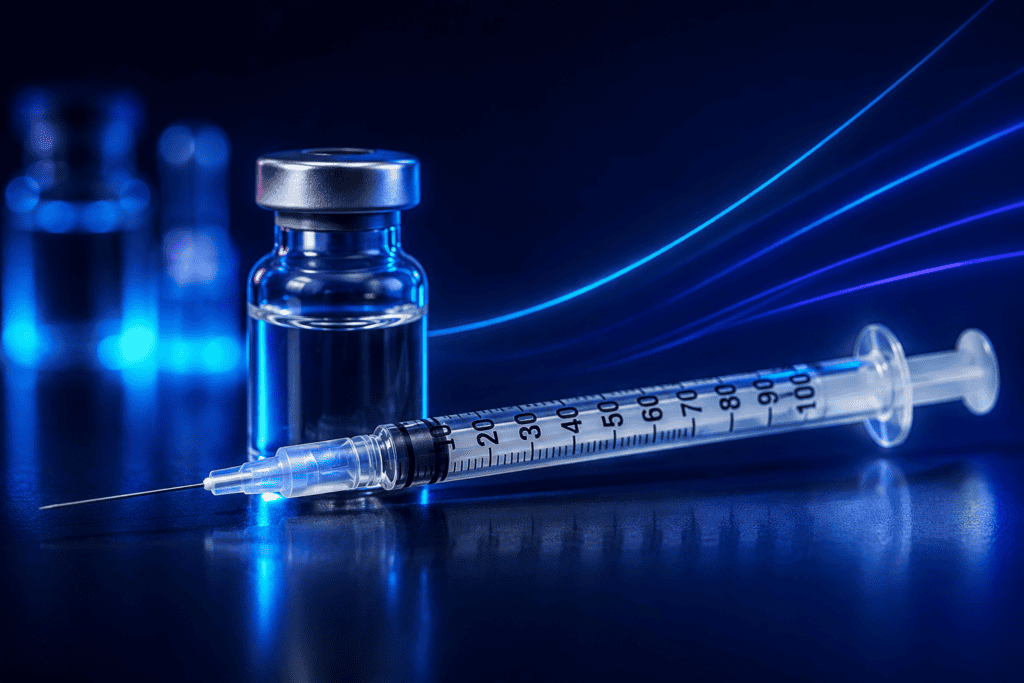
Milliliters and syringe units describe the same volume in different ways. Use this quick converter to move between the two measurements and better understand how a calculated liquid volume appears on a U-100 insulin syringe.
Understanding HPLC
High-performance liquid chromatography, commonly called HPLC, is often used to examine peptide purity. Learn how the test separates the material into detectable components, what the peaks on an HPLC graph represent, and what a reported purity percentage can—and cannot—tell you.
Start With the Question in Front of You
You don’t need to learn everything at once. If you’re working with measurements, begin with one of the calculators. If you’re reviewing testing information, start with the COA, HPLC, or mass spectrometry resources.Each page focuses on one part of the process, so you can find the answer you need and return whenever another question comes up.
All information and tools provided by Peptide Knowledge Center are intended for educational and research purposes only. They are not instructions for human use or medical guidance.