
Why Does Peptide Quality Matter?
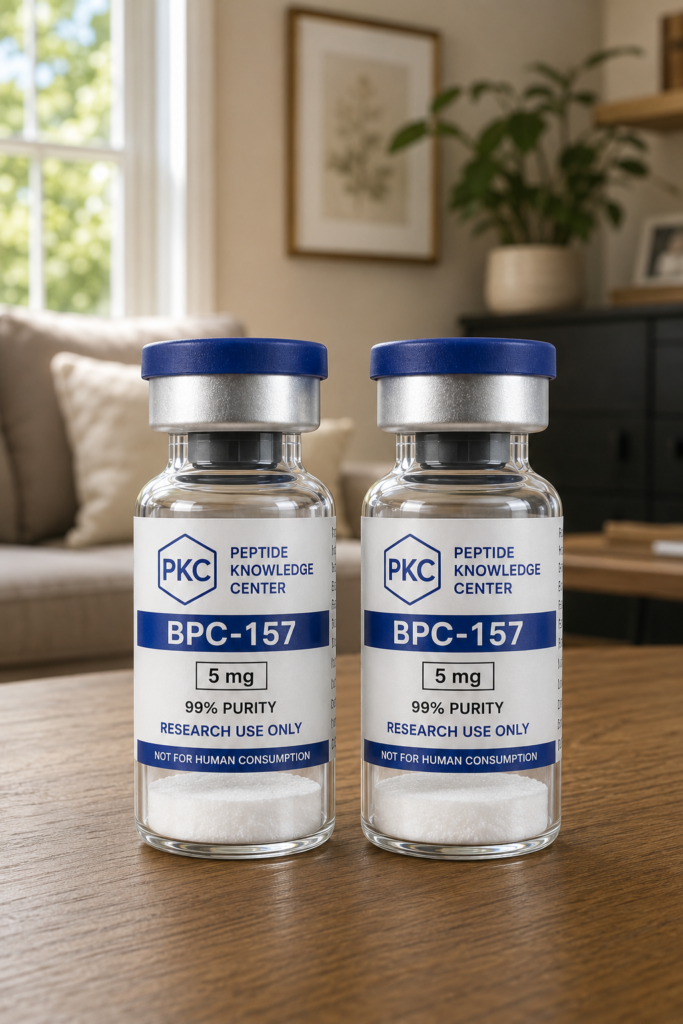
A research peptide can have the right label, professional packaging, and an impressive purity claim — but quality is about what’s behind those claims.
Same Peptide. Same Quality?
What You Can See:
✓ Peptide name
✓ Amount listed
✓ Packaging
✓ Purity claim
What You Can’T See:
✓ Whether the identity was confirmed
✓ How reliable the testing is
✓ How the peptide was handled
✓ What the quality reports actually show
That’s Where Quality Gets Complicated
The challenge with research peptide quality is that most of what matters isn’t visible. You can compare prices, read product descriptions, and look at packaging, but none of those things can tell you exactly what’s inside a vial. That’s why testing and the information provided by a research peptide company matter so much.
Quality Can Change Before a Peptide Ever Reaches You
Peptide quality isn’t determined by testing alone. How a peptide is produced, handled, packaged, and stored can all affect the final product. That means quality starts long before a vial is ready to be sold and depends on attention to detail throughout the process.
This is one reason two peptides with the same name may not be equal in quality. Different sources may follow different processes, use different testing standards, or provide very different levels of information about their products.
Testing Gives You Something More Than a Promise
Anyone can describe a peptide as high quality, pure, or carefully produced. Testing provides actual information that can help support those claims and give you a better idea of what’s behind the label.
Depending on the testing performed, results may help confirm a peptide’s identity, measure its purity, or provide other important details about the sample. Learning what those results mean — and where to find them — makes it easier to compare research peptides based on real information rather than marketing alone.
It’s About the Bigger Picture
There isn’t one number or claim that can tell you everything about the quality of a research peptide. It’s the combination of how the peptide was produced and handled, what testing was completed, and how much reliable information is available about the product.
The more you learn about peptide quality, the easier it becomes to look past impressive claims and focus on the details that actually matter. You don’t need to be an expert to ask better questions, compare the information available, and make more informed decisions about the research peptides you choose.