Where Do Peptides Come From?
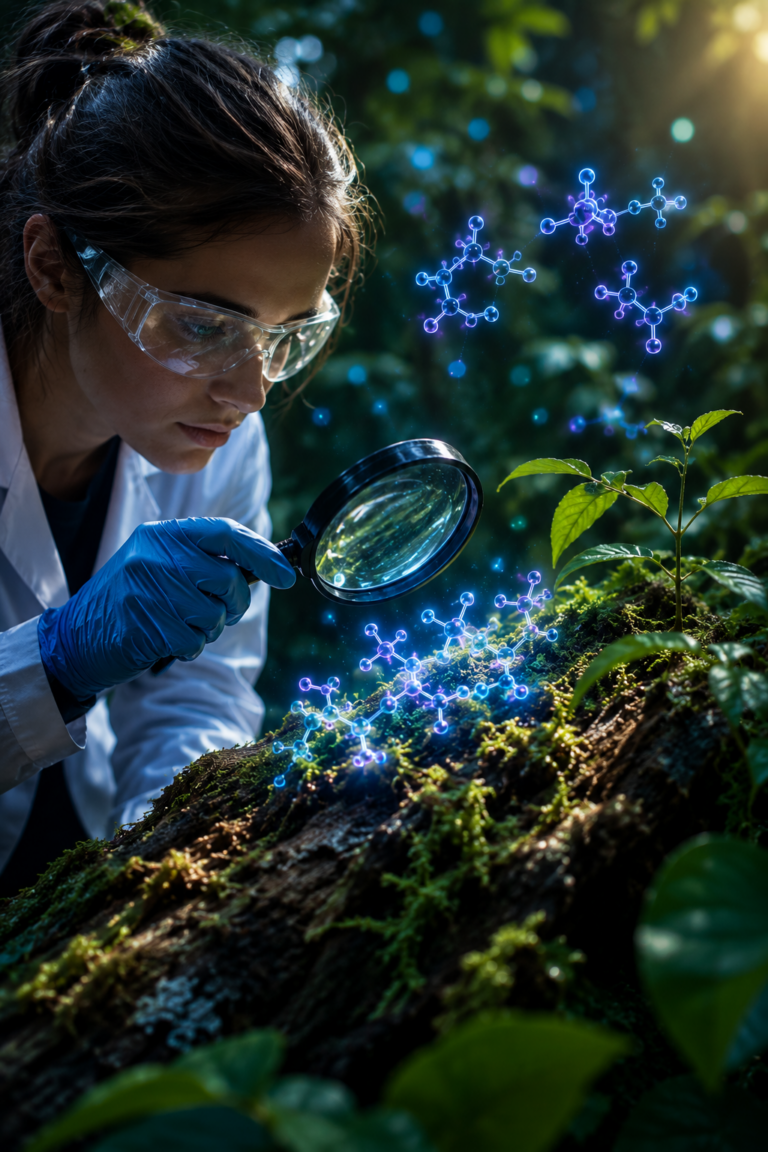
Peptides may sound like something created in a laboratory, but they’ve been around far longer than modern science. They occur naturally throughout the living world, including in humans, animals, plants, and microorganisms. In fact, your own body is producing and using peptides right now.
Peptides Start in Nature
The human body relies on peptides as part of many everyday biological processes. Some act as messengers between cells, while others are involved in functions related to hormones, digestion, and immune activity. Scientists study these naturally occurring peptides to learn more about how the body works and what role individual peptides play within those processes.
But humans are only one small part of the story. Peptides have also been identified in plants, animals, bacteria, fungi, and other organisms. With so many possible natural sources, researchers have an enormous and still-growing collection of peptides to investigate.
From Discovery to the Laboratory
Finding an interesting peptide in nature doesn’t mean researchers have to continually return to its original source to study it. Scientists can create specific peptides in controlled laboratory settings through a process called peptide synthesis.
This connects directly to what we learned in How Are Peptides Built? By joining amino acids together in a planned sequence, scientists can create a specific peptide for research. The finished sample can then be purified, tested, and studied under controlled conditions.
Natural or Synthetic: What’s the Difference?
The word synthetic can make a peptide sound artificial or completely different from one found in nature, but that isn’t necessarily the case. It simply describes how the peptide was produced.
A naturally occurring peptide is made by a living organism. A synthetic peptide is created through a controlled laboratory process. Researchers look at much more than that distinction when evaluating a peptide, including its identity, amino acid sequence, structure, purity, and testing information.
So, Where Do Peptides Come From?
The answer is almost everywhere life exists. Peptides are found in the human body, animals, plants, and microorganisms, and they can also be created or modified in laboratory settings for research.
What starts with the same basic ingredients — amino acids — can result in an incredible variety of peptides from many different sources. And once you know where peptides come from, the next question becomes much easier to explore: what makes a research peptide different from all the other peptides we hear about?